
Taraba Peace Bureau Chair Advocates Inclusive Power Sharing Ahead of 2027 Elections
By Christiana Babayo
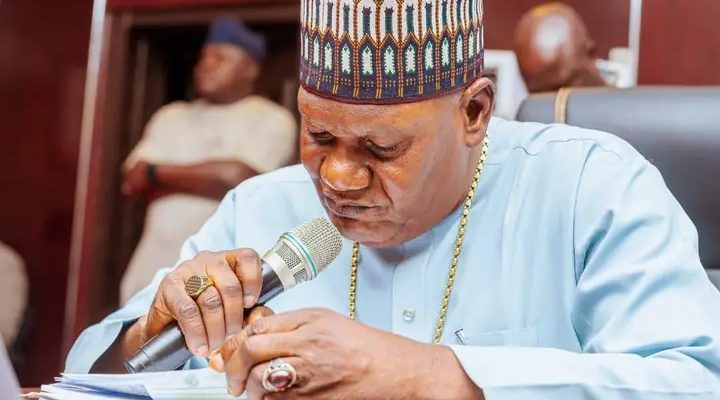
The Chairman of the Taraba State Bureau for Peace and Conflict Management, Bishop Innocent Rubiruka Solomon, has called for peaceful elections, inclusive governance, and equitable power sharing as critical steps toward sustaining peace and strengthening democracy in Nigeria ahead of the 2027 general elections.
You May Also Like
In a statement titled “Sustaining Community Peace and Harmony Through Peaceful Elections, Power Sharing and Inclusivity,” the peace advocate stressed that peace building and conflict management must remain deliberate priorities in a multicultural and multi-religious society like Nigeria.
According to him, elections should not be seen as periods of division and hostility, but as opportunities for reconciliation, inclusion, and the peaceful redistribution of political opportunities among various communities and stakeholders.
Bishop Solomon noted that power sharing remains one of the most effective strategies for preventing violence and promoting stability in deeply divided societies. He explained that inclusive governance allows different ethnic, religious, and political groups to feel represented, thereby reducing resentment and fostering national unity.
“By distributing power, it minimizes the risk of conflict, particularly in diverse societies.
It enhances political stability by giving minority or opposing groups a voice in governance and ensures that government decisions are not dominated by a single group or party. It allows for the specialization of power across different levels of government, such as local issues being handled by local authorities
“By moving away from winner-takes-all politics, power sharing creates a sense of belonging and ownership among all groups, which ultimately reduces tension and the likelihood of conflict,” he said.
The peace bureau chairman emphasized that power sharing promotes trust, protects vulnerable groups, reduces marginalization, and encourages local ownership of governance processes. He added that involving community leaders, traditional rulers, and diverse stakeholders in political processes strengthens peace initiatives and enhances public confidence in democratic institutions.
He further highlighted the importance of inclusive coalition governments, proportional representation, autonomy for minority groups, and mechanisms that protect minority interests as key pillars necessary for effective peace building.
Speaking on challenges confronting power-sharing arrangements, Bishop Solomon identified mistrust among political actors, elite domination, institutional weaknesses, electoral tensions, and external interference as major obstacles to sustainable peace.
He warned that unless political leaders deliberately embrace inclusivity and fairness, post-election disputes and social divisions could threaten national stability.
The cleric also advocated inclusive negotiation processes, transparent institutional frameworks, strong monitoring mechanisms, and efforts to address socio-economic inequalities as best practices for ensuring successful power-sharing arrangements.
He urged Nigerians and political stakeholders to prioritize peace and democratic participation over personal ambition and political greed.
“Nothing works for peace, harmony and development better than participatory democracy and inclusivity in governance. We must strengthen our peace-building processes and not allow the struggle for power divide us as a people,” he stated.
The call comes as political activities and alignments ahead of the 2027 elections gradually begin to gather momentum across the country.