

Bridging the Divide: Nigeria’s Urgent Call for Unity Beyond Politics.
By Zare Baba, Yola
At a time when Nigeria stands at a critical crossroads, the deepening political divide across regions, parties, and identities poses a growing threat to national cohesion.
You May Also Like
From the heated rhetoric between the All Progressives Congress (APC), the Peoples Democratic Party (PDP) and of late the ADC, to widening mistrust among citizens, the nation is witnessing a dangerous drift toward polarization that could undermine its fragile unity.
This is not merely about politics, it is about the soul of the nation.
Across communities, from Maiduguri to Port Harcourt, and from Kano to Enugu, political differences are increasingly taking on ethnic, religious, and regional undertones.
Elections are no longer just contests of ideas but battles of identity, often leaving behind fractured relationships and lingering resentment.
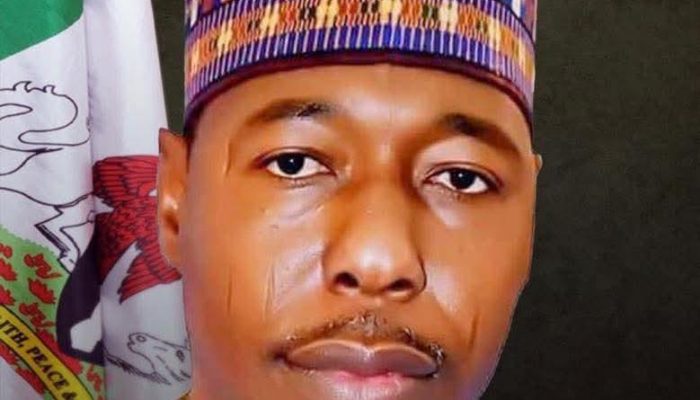
HE Babagana Zulum, Governor of Borno State.
The consequences are visible, distrust in institutions, rising tensions in communities, and a growing sense that Nigeria’s diversity once its strength, is being weaponized for political gain.
Yet, beneath the noise of political rivalry lies a powerful truth, Nigerians share far more in common than what divides them.
From the farmer in Adamawa to the trader in Lagos, the average citizen desires the same basic outcomes, security, economic opportunity, quality education, and accountable leadership. These shared aspirations must become the foundation for rebuilding national unity.

Rt Hon. Ahmadu Umaru Fintiri, Governor of Adamawa State
Political leaders, particularly within dominant parties like the APC and PDP, must rise above zero-sum poÄlitics and begin to frame national discourse around collective progress rather than partisan victory.
Nigeria’s political space suffers not just from disagreement, but from a deficit of empathy.
Leaders and citizens alike must learn to engage differently, listening, not just responding, understanding, not just opposing and collaborating, not just competing.
When political opponents are treated as enemies, governance becomes impossible. But when they are seen as partners with differing perspectives, solutions begin to emerge.
The real work of bridging Nigeria’s divide will not happen in Abuja alone, it must begin at the grassroots.
Town hall meetings that encourage open dialogue, joint development projects that unite people across party lines,
inclusive decision making platforms that give citizens a voice.
In places like Adamawa State and beyond, such initiatives can transform political differences into opportunities for cooperation.
Nigeria cannot afford the luxury of division, at a time of economic uncertainty, security challenges, and social strain, unity is not optional, it is essential.
Leaders, to tone down divisive rhetoric
citizens, to reject hate and embrace dialogue, institutions, to promote fairness and inclusivity.
Bridging political divides does not mean eliminating differences, it means managing them with maturity, respect, and a shared commitment to nation building.
Nigeria’s strength has always been its diversity, the challenge now is to ensure that diversity becomes a source of unity, not division.
If the country must move forward, it must do so together or risk not moving at all.
In the end, the question is simple but urgent:
Will Nigeria choose division, or will it choose unity?