
2027: Taraba Peace Bureau Chief Urges Politicians to Embrace Peaceful Electoral Conduct
By Christiana Babayo
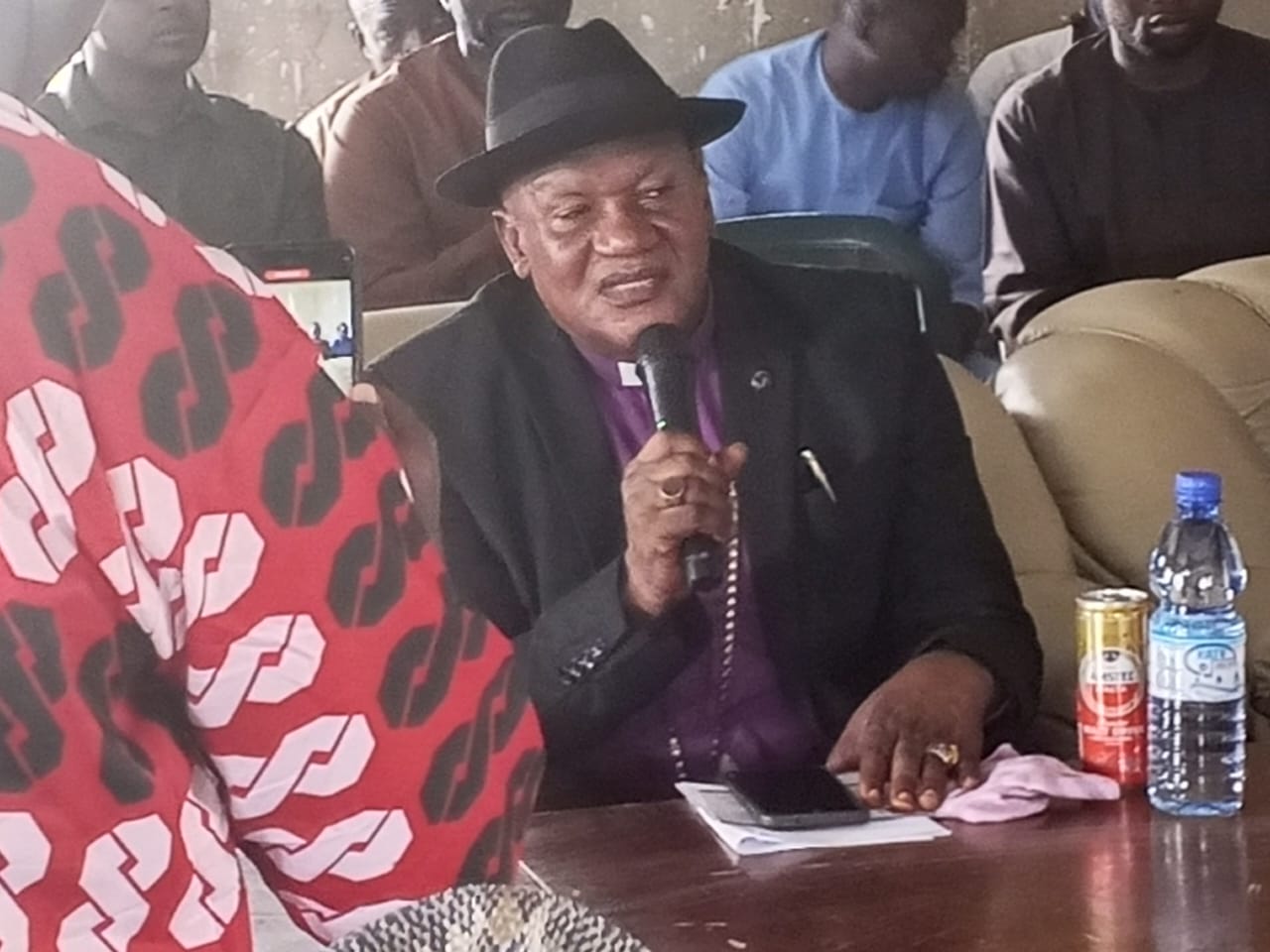
As preparations gradually begin ahead of the 2027 general elections, the Director General of the Taraba State Bureau for Peace and Conflict Management, Bishop Innocent Solomon, has called on politicians and other stakeholders to promote peace and avoid actions capable of disrupting the state’s stability.
You May Also Like
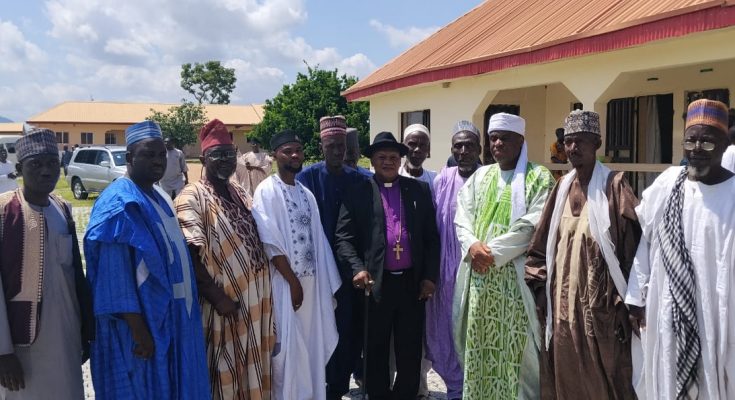
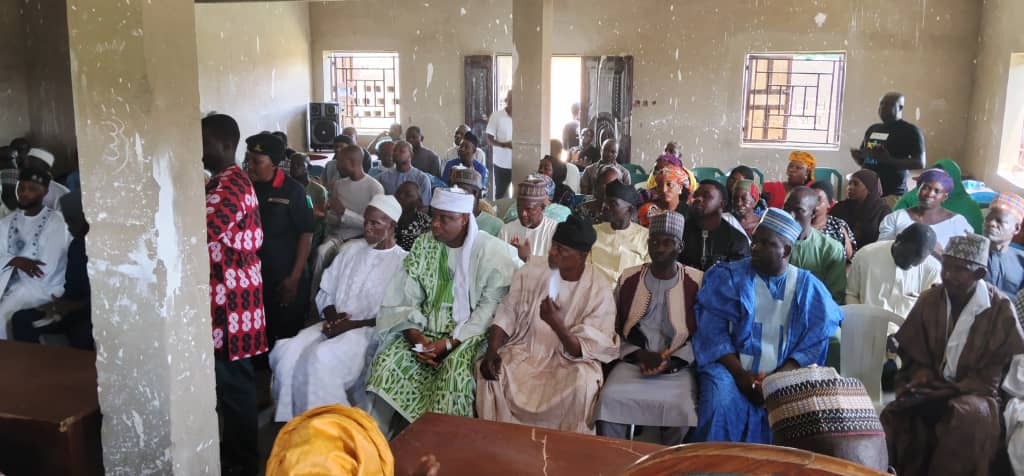
Bishop Solomon made the appeal during a Town Hall meeting held in Sunkani, Ardo-Kola Local Government Area, as part of the Bureau’s ongoing statewide peace sensitisation and advocacy campaign.
Addressing participants, he emphasized that sustaining peace is a collective responsibility that requires the commitment of political actors, religious leaders, community stakeholders, youth, women, farmers, and herders.
“Nobody benefits when there are conflicts, the farmers, the herders must collaborate. The politicians must play their politics without rancour. There is no need to sponsor thugs, politics is not about enmity, politics is just a platform where people get the opportunity to provide leadership. So, there should be no quarrel about that. We should not allow our people, our communities to fight because somebody wants to get to power.
“Religious leaders must also preach peace. There should be no rancour in our mosques, there should be no rancour in our Churches. Mosques and Churches must provide a platform for peace, tranquility and stability for each community.
“Likewise youth, women and everyone at the helms of affairs must work towards peace”.
The Peace Bureau boss noted that while the vision behind the establishment of the Bureau and its mandate may not yet be fully appreciated by everyone, the agency remains determined to demonstrate its relevance through its activities and contributions to peacebuilding across the state.
He expressed optimism that with the level of cooperation and support the Bureau has received from communities visited so far, incidents of communal conflict in Taraba State would significantly decline in the coming years.
Bishop Solomon also commended residents of Ardo-Kola for maintaining peaceful coexistence despite their ethnic and religious diversity. According to him, Governor Agbu Kefas’ message remains clear that both farmers and herders should coexist peacefully, given their vital contributions to the state’s economy.
He further appealed to security agencies to discharge their responsibilities with fairness, justice, and integrity in order to strengthen peace and stability across the state.
Speaking at the Town Hall meeting, the Chairman of Ardo-Kola Local Government Council, Hon. Umar Badawaire, attributed the prevailing peace in the area to deliberate measures introduced by Governor Agbu Kefas to promote security and harmony throughout Taraba State.
He stated that residents of the local government area remain firmly behind the Governor and are willing to support his efforts to transform the state.
According to the Chairman, Ardo-Kola has benefited considerably from the peaceful atmosphere created under the current administration, noting that there are presently no reported cases of communal conflict within the council area.
However, Hon. Badawaire raised concerns over the blockage of many cattle routes by farmers, stressing that pastoralism cuts across ethnic and religious boundaries and should not be viewed as an activity exclusive to any particular group.
He alleged that some individuals had illegally sold portions of designated cattle routes without the knowledge of either the local government authorities or traditional rulers, creating additional challenges for herders.
The Chairman also expressed concern over the growing incidence of drug abuse among young people, lamenting the open sale of illicit substances in local markets.
On unemployment, he encouraged youths to acquire vocational and entrepreneurial skills rather than depending solely on government employment opportunities, noting that public sector jobs cannot accommodate everyone.
Earlier during a courtesy visit by the Peace Bureau delegation, Hon. Badawaire showered praises on Bishop Innocent Solomon, describing him as a man of integrity and sincerity.
“Sir, let me be frank. The first day I set my eyes on you, I respected you because I saw a lot of qualities in you. I saw honesty and frankness in you. Yes, you are a man of God and they have given the person who can serve, to do the job.
“When you made your presentation, I appreciated it and I respect you on that for the openness and speaking the truth”.
The council chairman also applauded Governor Agbu Kefas for establishing the Peace Bureau, noting that security interventions introduced by the administration have substantially reduced insecurity in the area, which was once notorious for kidnapping activities.
He disclosed that he had long contemplated establishing a similar peace-focused structure to address issues affecting harmonious coexistence among the approximately 83 ethnic groups residing in Ardo-Kola Local Government Area.
Hon. Badawaire observed that the local government shares boundaries with Jalingo, Karim Lamido, Bali, Gashaka and Yorro local government areas, including parts of the Gumti National Park, many of which are characterised by difficult terrain and dense forests.
He described the Bureau’s visit as timely, especially during the farming season when disputes between farmers and herders often emerge.
The Chairman further revealed that the council had taken proactive steps to prevent the conflict in neighbouring Karim Lamido Local Government Area from spreading into Ardo-Kola, despite the presence of many of the affected ethnic groups within the council area.
In his remarks, Bishop Innocent Solomon urged the local government chairman to expedite the establishment of the Local Government Peace Committee in line with Governor Agbu Kefas’ directive and the provisions of the law establishing the Bureau.
He explained that the committee would serve as a critical link between the Bureau and communities, while also benefiting from capacity-building programmes designed to enhance its effectiveness in peacebuilding and conflict management.
The meeting featured contributions from stakeholders who raised concerns, offered suggestions, and asked questions on issues relating to peace and security.
Participants called for the training of traditional rulers on conflict prevention and peacebuilding, as well as the education and reorientation of vigilante personnel to address some of their excesses.