
TSBPCM Reviews Peace Gains, Charts Course for Peaceful Elections and Farming Season in Taraba.
By Christiana Babayo
The Taraba State Bureau for Peace and Conflict Management (TSBPCM) has reaffirmed its commitment to promoting peaceful coexistence among communities, strengthening farmer-herder relations, and ensuring violence-free elections across the state.
You May Also Like
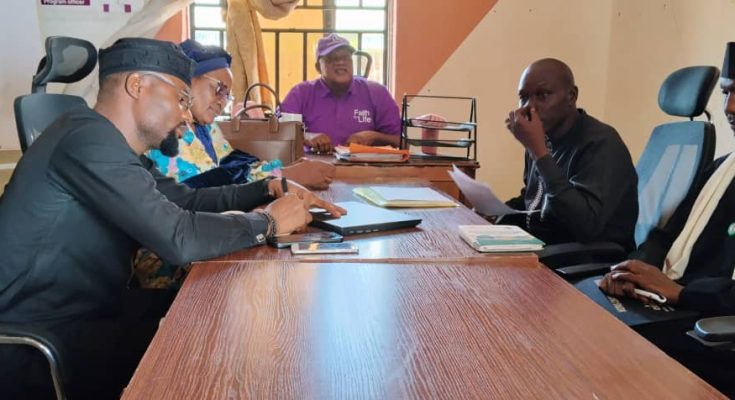
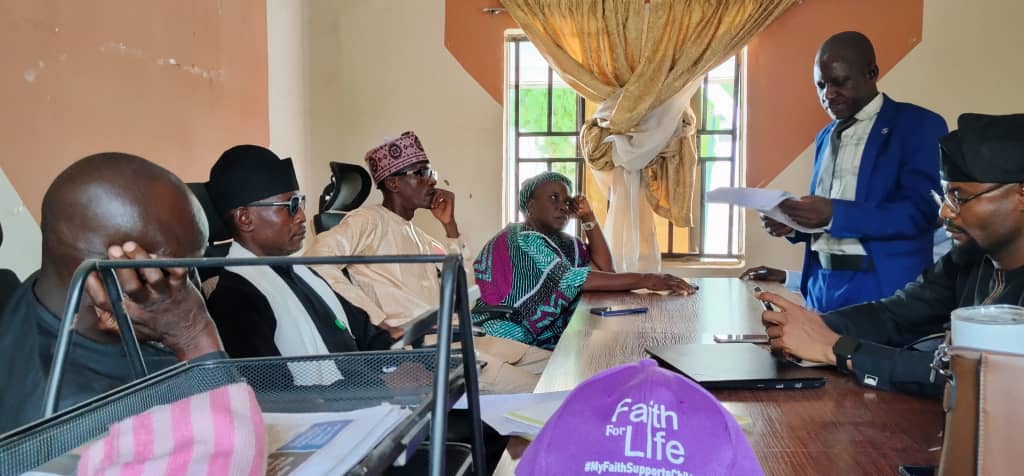
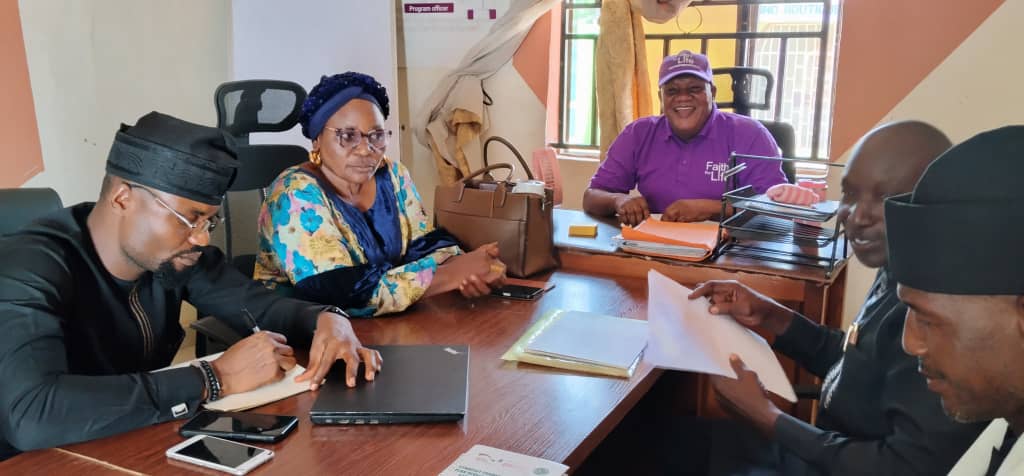
This was the focus of discussions at the Bureau’s second Board Meeting of the year held in Jalingo on Tuesday.
Speaking during the meeting, Chairman of the Bureau, Bishop Innocent Solomon, urged board members and staff to remain united in the discharge of their responsibilities, stressing that ethnicity, tribalism, and religious differences should not hinder the collective pursuit of peace in the state.
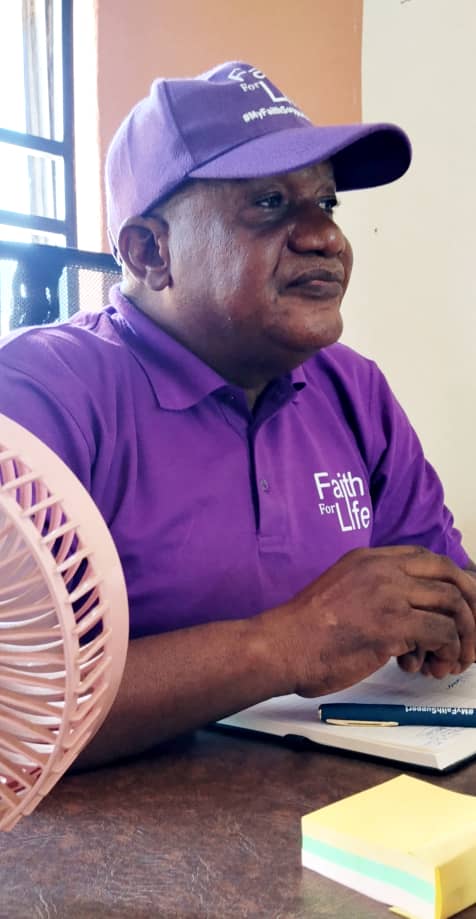
“Let me remind us again that we are a family. Amongst us and for the purpose of our assignment and posterity, ethnicity, tribalism, religious differences should no longer be an issue. Let friendship, brotherhood, peace, harmony and good understanding guide our actions,” he said.
The Chairman commended Governor Agbu Kefas for prioritizing peace and security in the state, noting that the administration’s policies have continued to provide the necessary support for conflict prevention and peaceful coexistence.
Reviewing the Bureau’s activities for the year, Bishop Solomon disclosed that peace sensitization and awareness campaigns have so far been conducted in two local government areas as part of efforts to cover all 16 local governments and two development areas of the state.
” The TSBPCM this year prioritised peace sensitisation and awareness creation to the 16 LGAs and 2 Development Areas of the State, capacity Building for Bureau Members and Staff as well as stablishing and strengthening EWER structures and mechanisms throughout the state” the Bishop said.
He also highlighted several achievements recorded by the Bureau, including the hosting of an interstate peace and security summit in Wukari in collaboration with SPRING and sister peace agencies from Benue and Nasarawa States.
According to him, the Bureau, with support from NEEM Foundation and GIZ, trained 30 facilitators in Reflective Structured Dialogue (RSD) and subsequently conducted field activities in Karim Lamido, Bali, and Wukari local government areas to strengthen community-based conflict resolution mechanisms.
The Chairman further revealed that the Bureau partnered with Search for Common Ground and other stakeholders to launch the R2ForPeace initiative in Takum and Wukari local government areas while also repositioning the state’s Fusion Centre to enhance Early Warning and Rapid Response mechanisms for conflict mitigation.
In another milestone, the Bureau, in partnership with GIZ, trained 30 journalists and 30 youths on Media for Peace to promote responsible communication and peacebuilding across the state.
Bishop Solomon noted that the deployment of relevant personnel for the standardization and effective operationalization of the Bureau has also been largely achieved.
Looking ahead, he announced plans for an Organizational Development Training Workshop scheduled for July 10 and 11, 2026, in collaboration with Gibson Consult and GIZ.
The Bureau also intends to work closely with Search for Common Ground and other partners to develop a comprehensive framework for the implementation of the R2ForPeace project in the state.
He emphasized that priority attention would be given to intensifying peace campaigns, advocating for peaceful and violence-free elections, and sustaining harmonious relationships between farmers and herders as the farming season progresses.
“We will be stepping up our peace sensitisation and campaigns, advocacy for peaceful and violence-free elections and continuous harmony and peaceful relations between farmers and herders in the state,” he stated.
The meeting provided an opportunity for board members to assess ongoing interventions, review achievements, and chart a strategic path towards strengthening peacebuilding structures and conflict prevention mechanisms across Taraba State.